The console is the core equipment of the modern control room. It is not just a workstation, but an integrated, visual, centralized control system responsible for real-time monitoring and management of the operation of multiple systems and equipment. With the growing demand for control rooms, the design and installation of the console has become crucial. The following is the optimization process from design to installation of the console.
The console is the core equipment of the modern control room. It is not just a workstation, but an integrated, visual, centralized control system responsible for real-time monitoring and management of the operation of multiple systems and equipment. With the growing demand for control rooms, the design and installation of the console has become crucial. The following is the optimization process from design to installation of the console.
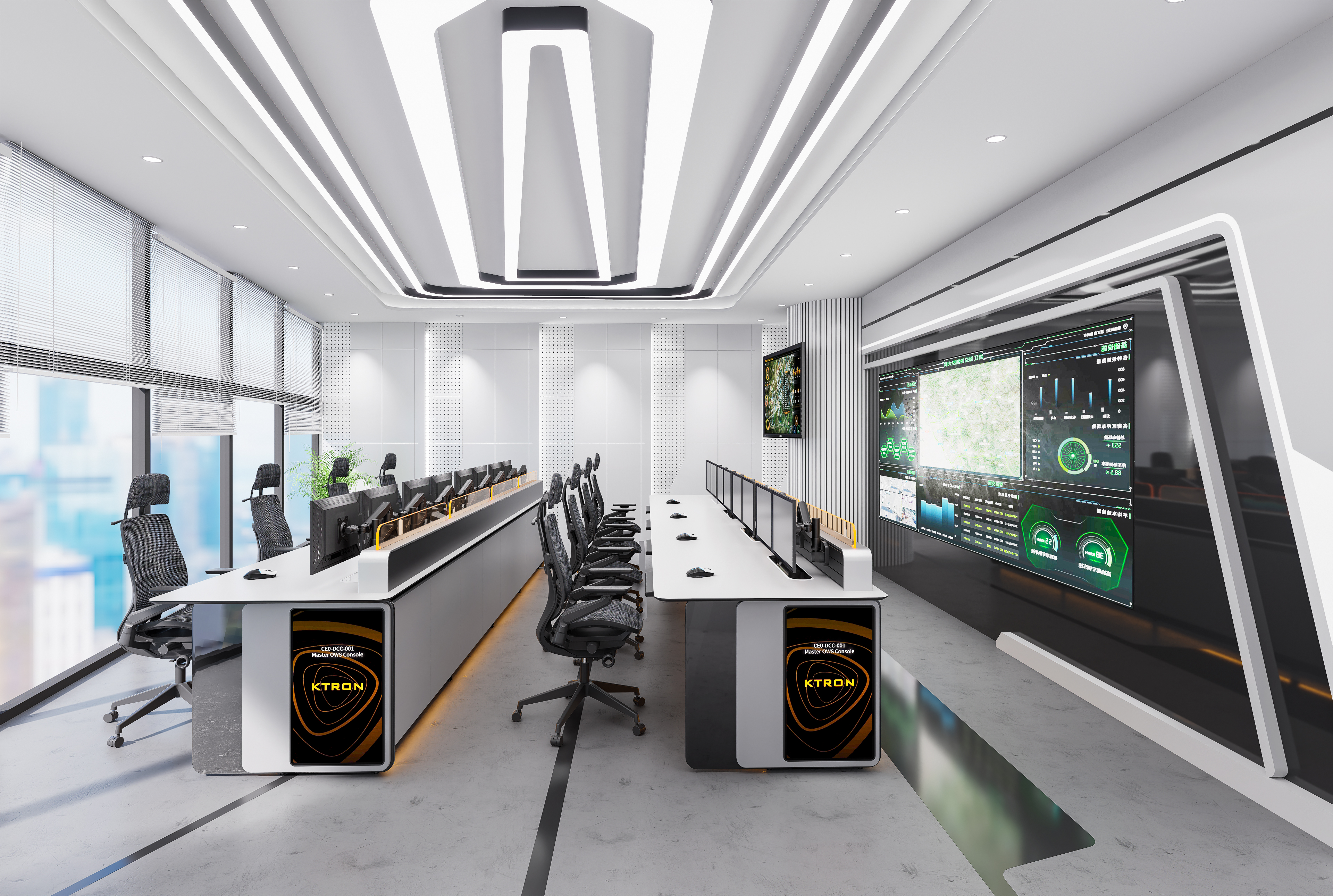
1. Clarify the requirements and usage scenarios of the console
The first step in designing and installing a console is to clarify its usage requirements and scenarios. This step involves the following key elements:
- Control scope: Determine the equipment, systems and operating objectives that need to be monitored and managed.
- Application requirements:Analyze different operational requirements and determine the functional positioning of the console, such as real-time monitoring, data analysis, fault warning, etc.
By clarifying these requirements, a solid foundation can be provided for subsequent design.
- Develop a detailed design plan
Based on the demand analysis, develop a design plan for the console. The plan needs to take into account the following aspects:
- Function and performance: The design of the console must be able to support multiple functions and ensure its efficient and stable operation.
- User experience: The comfort and efficiency of the operator are crucial. The layout of the console should be ergonomically designed to reduce operator fatigue.
- Scalability and upgrade: The design plan needs to reserve enough space and interfaces for future expansion and technical upgrades.
The design plan includes hardware equipment, software systems, accessory interfaces, etc. to ensure that all components can work seamlessly.
- Select hardware equipment and software system
Once the design plan is determined, the next step is to select the appropriate hardware equipment and software system:
- Hardware equipment: including monitors, keyboards, mice, control panels, etc., the quality, compatibility and maintenance convenience of the equipment should be taken into account when selecting.
- Software and operating system: Select a software system that is compatible with the console hardware and ensure that the system can support all control functions, such as equipment linkage, data acquisition and real-time analysis.
When selecting hardware and software, it is necessary to ensure that they meet the overall needs of the control system and are easy to maintain and upgrade later.
- Console Installation and Layout
The installation and layout of the console is a key step to ensure the smooth operation of the system. This stage requires careful layout according to the actual situation on site and operational requirements:
- On-site evaluation: Arrange the equipment location reasonably according to factors such as the space size, ventilation conditions and power configuration of the control room.
- Safety and stability: Ensure that the console has good stability to avoid failures caused by equipment overload or improper wiring.
The layout also needs to take into account the convenience of the operator to ensure that the various functional devices of the console can be operated intuitively and easily.
- Debugging and testing
After the installation is completed, detailed debugging and testing must be carried out. This stage includes:
- Hardware testing: Check whether all hardware devices are working properly, including displays, input devices, etc.
- Software testing:Ensure that the software system of the console can run smoothly and meet various operational requirements.
- System joint debugging: Joint debugging of the console with other devices to verify whether data transmission, control commands, etc. are accurate and efficient.
Debugging and testing are necessary steps to ensure system reliability and stability, and can effectively prevent potential problems.
- Operation training and maintenance
The last step of console design and installation is operation training and regular maintenance:
- Operation training: Provide professional training for operators to master the operation process and functions of the console and ensure the efficient operation of the system.
- Regular maintenance: The long-term stability of the console depends on continuous maintenance and inspection, including cleaning and maintenance of hardware equipment, software updates and optimization, etc.
Regular maintenance can effectively extend the service life of the console and ensure that the system is always in the best condition.
Conclusion
The design and installation of the console is a complex and meticulous process, involving multiple links from demand analysis to post-maintenance. Each link requires careful planning and implementation to ensure the final delivery of an efficient, stable and easy-to-operate control system. By following the above process, the design quality and installation efficiency of the console can be effectively improved, providing enterprises with a powerful monitoring and management platform.

